
The Hidden Cost of Overpricing Your Home in 2026: What South Puget Sound Sellers Need to Know
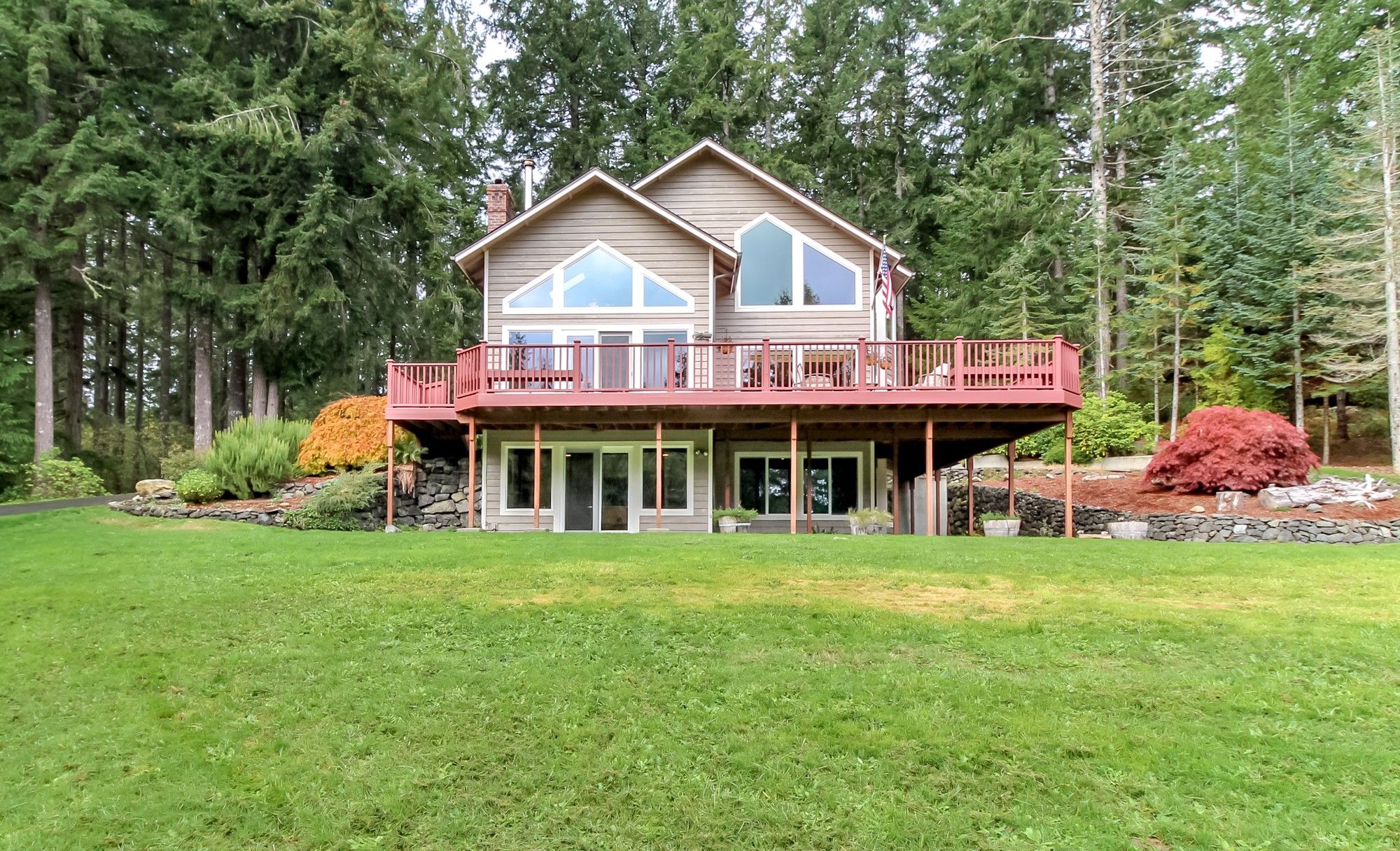
You've put your heart into your home. Maybe you've renovated the kitchen, landscaped the backyard, and made a hundred small improvements over the years. It's natural — and completely understandable — to believe your home is worth every penny you're asking.
But here's the truth that many sellers learn the hard way: overpricing your home doesn't protect your equity. It erodes it.
At Sievers Real Estate, we work with sellers across the South Puget Sound — from Gig Harbor, Tacoma and Puyallup to Olympia, Lakewood, and everywhere in between. Time and again, we've watched well-intentioned pricing decisions quietly cost sellers thousands of dollars, weeks of stress, and hard-won negotiating leverage. This guide is our honest, experience-driven look at what really happens when a home is priced too high — and what you can do instead.
What Does "Overpricing" Actually Mean?
Overpricing doesn't mean your home isn't worth a lot. It means it's listed at a price that is not supported by current market data — what comparable homes in your area have actually sold for recently.
In real estate, the market doesn't care about:
- What you paid for the home
- How much you've invested in improvements
- What you need to net from the sale
- What a neighbor claims their home is worth
The market cares about one thing: what buyers are willing to pay, right now, based on comparable sales.
When your list price exceeds that number by a meaningful margin, you've crossed into overpriced territory — and the consequences tend to unfold quickly.
The 7 Dangers of Overpricing Your Home
1. You Miss the Most Important Window: The First Two Weeks
When your home hits the market, it's fresh. Motivated buyers — the ones who have been waiting for a home just like yours — are watching new listings daily. They're pre-approved, ready to move, and emotionally primed to fall in love.
This initial burst of attention is your most powerful asset as a seller. An overpriced home wastes it.
Buyers who see your home priced above market will either skip it entirely or tour it only to use it as justification to buy something else. By the time you reduce the price, that initial wave of motivated buyers has often already committed to another property.
The takeaway: Your best opportunity to sell at top dollar is Day 1 through Day 14. Don't squander it with an inflated price.
2. Your Home Will Sit — and Sitting Sends a Signal
In the South Puget Sound market, buyers and their agents pay close attention to Days on Market (DOM). When a home has been listed for 45, 60, or 90+ days, the natural question is: What's wrong with it?
Even if the answer is simply "it was overpriced," the stigma is real. Buyers begin to wonder:
- Is there a hidden inspection issue?
- Did previous offers fall through?
- Are the sellers difficult to work with?
- Is the neighborhood less desirable than it appears?
A home that sits develops a reputation — and that reputation makes it harder to get strong offers, even after a price reduction.
3. Price Reductions Signal Weakness
There's a psychology to real estate negotiation. When buyers see a price reduction, they don't think, "Great, now it's a fair deal." They think, "The sellers are motivated — maybe I can push even further."
Multiple price reductions make this worse. Each cut signals increasing seller anxiety, and buyers respond by submitting lower offers, requesting more concessions, or waiting to see if the price drops again.
Ironically, a seller who overprices and then reduces often ends up accepting less than they would have received with strategic, accurate pricing from day one.
4. You May Be Invisible to the Right Buyers
Most home searches today happen through price-range filters on Zillow, Realtor.com, and Redfin. If your home is worth $485,000 but listed at $525,000, buyers searching up to $500,000 — your most likely buyers — will never see it.
Meanwhile, buyers searching in the $500,000–$550,000 range will see your home alongside properties that offer significantly more square footage, updates, or features for the price.
You end up invisible to your real audience and unimpressive to the wrong one.
5. Appraisals Don't Care About Your List Price
Let's say you get lucky. A buyer falls in love with your overpriced home and agrees to your asking price. You're not out of the woods yet.
If they're using financing — which the vast majority of buyers are — their lender will require an appraisal. The appraiser will compare your home to recent comparable sales. If your contract price is above appraised value, the lender will only finance up to the appraised amount.
At that point, one of three things happens:
- You reduce the price to the appraised value
- The buyer pays the difference in cash (rare)
- The deal falls apart entirely
An overpriced listing that falls out of contract puts you back at square one — with a DOM counter that keeps ticking.
6. Carrying Costs Are Real Money
Every month your home doesn't sell, you're paying:
- Mortgage
- Property taxes
- Homeowner's insurance
- Utilities
- Maintenance
In the South Puget Sound area, depending on your home's price range, that can easily be $2,000–$4,000+ per month in carrying costs — money that would have stayed in your pocket with a faster, well-priced sale.
Run the math: a two-month delay caused by overpricing could cost more than the "extra" amount you were trying to capture with a higher list price.
7. Market Conditions Can Shift While You Wait
Real estate markets move. Interest rates change. New inventory comes online. Buyer demand softens. Economic uncertainty creeps in.
A home that might have sold quickly at accurate pricing in February may face a very different buyer pool in May. The longer your home sits due to overpricing, the more vulnerable you are to market shifts that erode your position further.
Timing matters enormously in real estate — and overpricing can cause you to miss your window.
"But I Want Room to Negotiate" — Addressing the Most Common Myth
This is the reasoning we hear most often: "I'm pricing it high so I have room to come down."
It sounds logical. But here's what really happens:
When a home is priced right — accurately, based on market data — it often receives multiple offers, which drives the price up organically. Buyers compete. You end up negotiating above list price, not below it.
When a home is overpriced, the opposite occurs. You get fewer showings, fewer offers, and more time on market — all of which reduce your leverage. By the time you accept an offer, you've usually given back more in price reductions and concessions than you would have in a well-priced, competitive sale.
Strategic pricing is not about leaving money on the table. It's about creating the conditions for buyers to compete — and letting the market push the price up.
What Is the Right Pricing Strategy?
There's no one-size-fits-all answer, but here's what smart pricing looks like in the South Puget Sound market:
Comprehensive Comparative Market Analysis (CMA): A thorough CMA looks at recent sales of comparable homes — similar size, condition, location, and features — to establish a realistic value range for your property.
Condition and updates matter: If your home has been recently updated, that's reflected in the data. But cosmetic updates rarely return dollar-for-dollar in list price — your agent should help you understand what the market actually rewards.
Hyper-local knowledge is essential: The South Puget Sound is a diverse market. Values in one neighborhood can differ significantly from one just a few miles away. You need an agent who understands your micro-market, not just regional averages.
Price to attract, not to discourage: The goal is to price your home so that every qualified buyer who should see it does — and so that the ones who love it feel urgency to act.
What Sievers Real Estate Does Differently
At Sievers Real Estate, we don't just tell you what you want to hear. We tell you what the data says — clearly, honestly, and with your best financial outcome in mind.
We'll walk you through a detailed CMA, explain exactly how we arrived at our recommended price range, and share the specific sales data that supports it. If you want to start slightly above our recommendation, we'll discuss what that trade-off looks like in real terms.
Our goal isn't a quick sale at any price. It's the right sale — one that maximizes your net proceeds, minimizes time on market, and gets you to your next chapter with the resources you need.
Frequently Asked Questions About Home Pricing
How do I know if my home is overpriced? Signs include: few or no showings in the first 1–2 weeks, consistently negative feedback about price, significant DOM compared to neighborhood averages, and offers that come in well below list price (or no offers at all).
Should I price my home above Zillow's Zestimate? Zillow's automated estimates are a starting point, not a final word. They don't account for your home's specific condition, recent unpublicized sales, or hyper-local trends. A Comparative Market Analysis from a licensed local agent is far more accurate.
What if I priced too high and now I'm stuck? It's not too late — but act decisively. A meaningful price reduction (not a token one) paired with fresh marketing can re-ignite interest. Talk to your agent about the best strategy.
How much below asking should I expect buyers to offer in South Puget Sound? In a balanced market, offers typically come in at or within 2–4% of list price for well-priced homes. Significantly below-ask offers are often a signal that the market is telling you the price is too high.
Does pricing below market value help you sell for more? Sometimes, yes. Pricing slightly below market in a competitive environment can generate multiple offers and drive the final sale price above list. This strategy works best when inventory is low and buyer demand is strong.
The Bottom Line
Overpricing your home feels like protecting your investment. In reality, it's one of the most common — and costly — mistakes South Puget Sound sellers make.
The good news: it's entirely avoidable with the right data, the right guidance, and a pricing strategy rooted in reality rather than hope.
If you're thinking about selling your home in Gig Harbor, Tacoma, Olympia, Puyallup, Lakewood, or anywhere across the South Puget Sound, we'd love to help you do it right.
Contact Sievers Real Estate for a complimentary home valuation and market consultation. No pressure, no obligation — just honest guidance from people who know this market.
Sievers Real Estate is an independent brokerage proudly serving the South Puget Sound region, including Tacoma, Puyallup, Olympia, Lakewood, Gig Harbor, and surrounding communities.
Recent Posts






GET MORE INFORMATION